

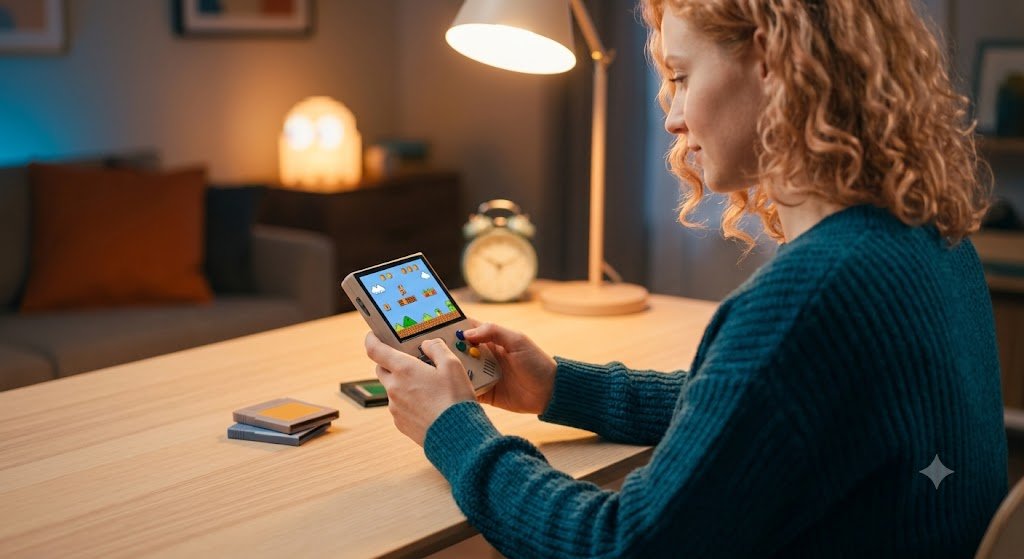
The Evercade revival caught a lot of people off guard. Here was a handheld built entirely around the idea that old games still matter, packaging cartridges of Atari, Namco, and Data East classics for a generation that supposedly only cared about photorealistic open worlds. Yet it sold, and it kept selling, because nostalgia turned out to be a renewable resource. The chunky sprites, the bleeping sound effects, the instant “pick up and play” rhythm of a Burgertime or a Xevious—these things tap a part of the brain that modern polish can’t always reach. And once you start noticing how much of today’s entertainment runs on that same fuel, you spot it everywhere, from mini consoles to the quick, repetitive mobile games people pull up during a coffee break.
That same short-loop instinct has even found a home in sweepstakes casinos, the social gaming sites that let players spin and play for fun using a dual-currency setup rather than traditional wagering. The model is worth understanding because it shapes how millions of Americans now spend a few idle minutes. Sites like SpinBlitz, PlayFame, and Jackpota hand out Gold Coins purely for casual play and separate Sweeps Coins that can sometimes be redeemed for prizes, often through no-deposit bonus offers. Buyer’s guides built on hands-on review methodology rank these by redemption speed, bonus generosity, and how their legality shakes out state by state—useful reading for anyone who wants to know which sites are actually available where they live before clicking around.
Why Nostalgia Still Sells in 2026
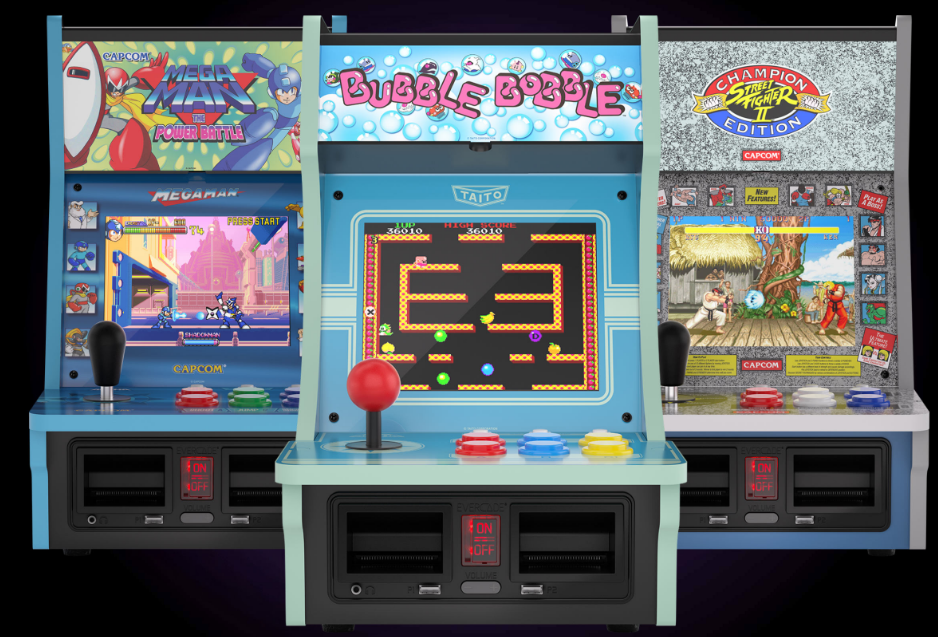
Walk through any retro gaming forum and the conversation rarely stays purely technical. People talk about how a cabinet felt, how the marquee glowed, how a particular machine sat in the corner of a pizza place. Devices like the Evercade and the Atari Flashback succeed precisely because they sell that feeling back to people, bundled in a clean modern shell.
The same emotional logic explains why so much casual entertainment leans on familiar imagery. Cherries, lucky sevens, golden bells, and bars are the visual vocabulary of the mechanical slot machine, and they’ve barely changed in a century. Designers across all kinds of casual games know that a returning symbol set lowers the mental cost of jumping in. You don’t have to learn anything. You already know what a row of sevens is supposed to mean, the same way an Evercade owner instantly knows what to do when Burgertime boots up.
Classic Themes as Comfort Food for the Eyes
There’s a reason comfort food gets its name, and digital entertainment has its own version. When a casual player opens a game styled after Egyptian treasure, neon Vegas, or fruit-machine pub culture, they’re choosing the familiar over the novel on purpose. It’s the gaming equivalent of reaching for a Pac-Man port instead of wrestling with a sprawling RPG after a long day.
This is the overlap retro hobbyists understand instinctively. The Evercade thrives on bite-sized sessions—a quick round of Xevious, a few minutes of Karateka. The most popular themed casual games are built the same way: short, self-contained loops with a clear beginning and end. No save files, no eighty-hour campaigns, just a clean hit of color and sound. The appeal isn’t depth. It’s the dependable little spark that comes from a system you already trust. Some researchers have even studied how vibration patterns convey emotion, exploring how subtle physical cues can communicate excitement or anticipation directly to the body.
The Sensory Hook Behind the Spin
What keeps these short loops satisfying is sensation, and that’s an area where gaming research has gotten genuinely interesting. The clatter of an old arcade button, the rumble of a controller, the visual payoff of symbols snapping into place—these are all sensory signals that tell the brain something happened. Modern hardware has started chasing that feeling deliberately. Studies on the development of a wearable force-feedback mechanism show how seriously designers now take the physical side of play, building hardware that lets the body, not just the eyes, register an event.
That research matters because the line between “old simple game” and “immersive new experience” is mostly about feedback. A 1980s arcade cabinet delivered satisfaction through real mechanical weight. A modern game on a phone recreates that satisfaction through animation, sound, and increasingly through haptic buzzes timed to the action.
When Old Symbols Meet New Technology
The marriage of vintage aesthetics and cutting-edge feedback is exactly what makes nostalgia commercially bulletproof. Designers can wrap a decades-old arcade aesthetic in technology that didn’t exist a decade ago, and the result feels both familiar and fresh.
Academic work on haptic technology’s role in gaming traces how touch-based feedback heightens engagement across entertainment categories, from VR to casual mobile play. For a hobbyist who already owns a haptic vest for immersive sims, that’s a striking idea: the same buzz that makes a virtual gunshot land could one day punctuate the moment a classic sprite snaps into place on a screen.
What This Means for How People Spend Their Free Time
Step back and the pattern is clear. Whether someone is reviving a dusty Atari title on an Evercade or tapping through a quick mobile game between meetings, they’re chasing the same thing: a small, reliable dose of fun that doesn’t demand a huge commitment. Nostalgia is the delivery system, and familiar imagery is the wrapper.
For retro fans, that’s oddly reassuring. The instincts that make a mini console satisfying—short sessions, familiar symbols, instant feedback—are the same instincts powering some of the most popular casual entertainment around. The hardware keeps changing. The hunger for that quick, recognizable spark stays exactly the same.



 Your total news and information resource for all things Science, Technology, Engineering / Mathematics, Art, and Medicine / Health.
Leave a Comment