


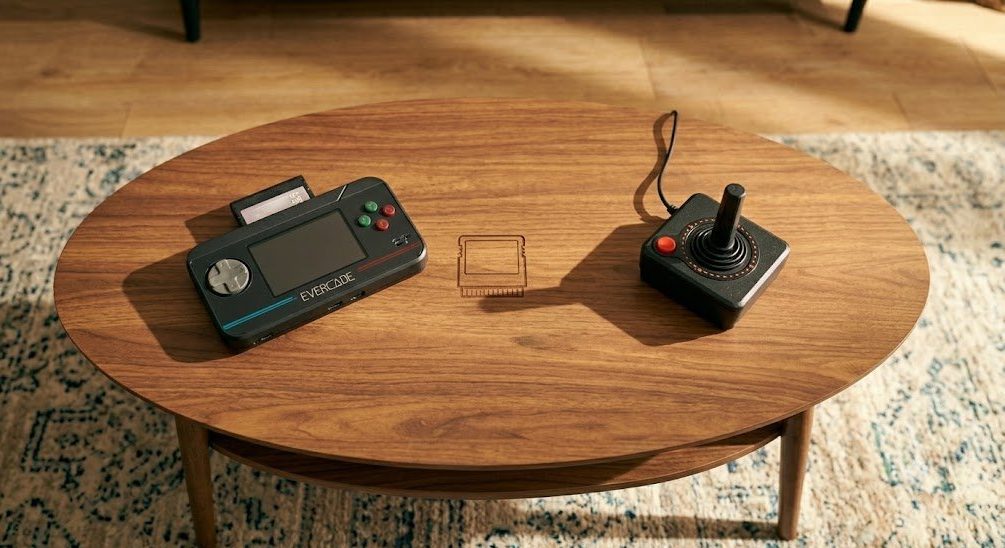
There is something undeniably comforting about plugging an Atari Flashback into the back of a TV, scrolling through that chunky menu of Pitfall!, Asteroids, and Centipede, and settling in for an evening that asks nothing more than a joystick and a little free time. That feeling — easy, low-stakes leisure that fits between dinner and bedtime — has quietly become the blueprint for a whole category of modern home entertainment. The same instinct that keeps people collecting cartridges and firing up emulators has pushed hardware makers from Atari to Evercade to chase one goal: capturing the bright lights and quick thrills of an arcade with as little friction as possible. From the snap-in simplicity of an Evercade cartridge to the menu-and-go design of a Flashback, the entire push has been about lowering the barrier between sitting down and actually playing.
That same low-barrier instinct has spilled well beyond classic-console reissues. For readers curious about how dual-currency social gaming sites apply the same friction-free thinking, this social casino directory ranks more than fifteen sites and breaks down the Gold Coins and Sweeps Coins system that powers them, where Gold Coins are for free, just-for-fun play and Sweeps Coins can be redeemed for prizes. It also explains how these sites stay legal across most US states without operating like traditional betting sites, lays out payout details and ratings, and points to where the casino-style games — slots, blackjack, roulette reskins — actually live. For anyone who treats home gaming as a hobby rather than a high-stakes pursuit, it reads less like a sales pitch and more like a map of an unfamiliar arcade.
The Arcade Feeling, Recreated Pixel by Pixel
Anyone who grew up feeding quarters into a Galaga cabinet knows the loop: a quick rush, a small win, the urge to try one more round. Game designers have studied that loop for decades, and it is no accident that the same hooks show up everywhere from Balatro’s addictive deck-building to a flashing slot reel on a social sweepstakes site. The blinking lights, the satisfying sound cues, the near-miss that makes you lean in — those are arcade DNA, refined and ported into a browser window.
Retro enthusiasts tend to notice this faster than most. They have spent years thinking about what makes a game feel good in the hand. A well-tuned social casino game leans on the same principles a great Tempest run does: clear feedback, escalating tension, and a payoff that lands at just the right moment. The technology has changed, but the leisure instinct behind it has not.
From Living-Room Consoles to Browser Tabs
The Atari Flashback was clever because it stripped away friction. No cartridges to clean, no hunting for a working CRT — just plug in and play. That same philosophy now drives how people game from the couch. The Evercade did it for handhelds, bundling licensed retro libraries into something you can grab and go. Cloud gaming did it for blockbusters. And social sweepstakes sites did it for casino-style play, removing the need to drive anywhere or learn complicated systems.
This shift toward instant, app-based leisure is not a fluke. It traces back to a cultural turn documented in research on the rise of apps, when downloadable entertainment began reshaping how people spend idle minutes. The same momentum that put a Pac-Man clone on every phone also paved the way for slot-style games to live one tap away. For a hobbyist, the appeal is familiar: the barrier to “just one game” has never been lower.
Why Nostalgia and Novelty Sit Side by Side
It might seem odd that someone who treasures a boxed copy of Adventure would also dabble in a modern slots reskin. But the two scratch related itches. Retro gaming is about comfort and ritual — the known quantity, the muscle memory. Casino-style play offers the opposite charge: unpredictability, the small electric jolt of not knowing what the next spin brings. Plenty of players keep both in rotation, the way a record collector still streams new releases.
The sites themselves lean into this dual personality. The Gold Coins economy mirrors the no-pressure feel of a Flashback session — pure play, nothing on the line. The Sweeps Coins layer adds the dash of stakes that an arcade high-score chase used to provide back when bragging rights were the only prize that mattered. It is a deliberate design choice, balancing the cozy and the thrilling within a single interface.
The Engineering Behind the Convenience
None of this works without serious plumbing under the hood. The same infrastructure that lets a mini PC stream a full game library also lets these sites serve hundreds of casino-style titles instantly, track two separate currencies, and handle prize redemption smoothly. That is no small feat, and it reflects a broader trend in how digital services bundle many functions into one polished experience.
Industry analysts have written extensively about digital service providers’ growth strategies and how single apps evolve into all-in-one hubs. Social sweepstakes sites follow that exact playbook: one login, dozens of game types, a built-in community feed, and a steady drip of fresh content. For a tech hobbyist who enjoys poking at how things are built, the back end is almost as interesting as the front.
A Natural Extension of the Home-Play Hobby
Step back, and the throughline is clear. Whether someone is dusting off an Atari Flashback, reviewing the latest Evercade cartridge, or trying a few rounds of slots on a sweepstakes site, the underlying want is the same — accessible, arcade-flavored fun on their own terms, in their own living room. The hardware keeps changing, the menus keep getting slicker, but that quarter-fed thrill of “one more go” never really left. It just found new screens to live on.



 Your total news and information resource for all things Science, Technology, Engineering / Mathematics, Art, and Medicine / Health.
Leave a Comment