

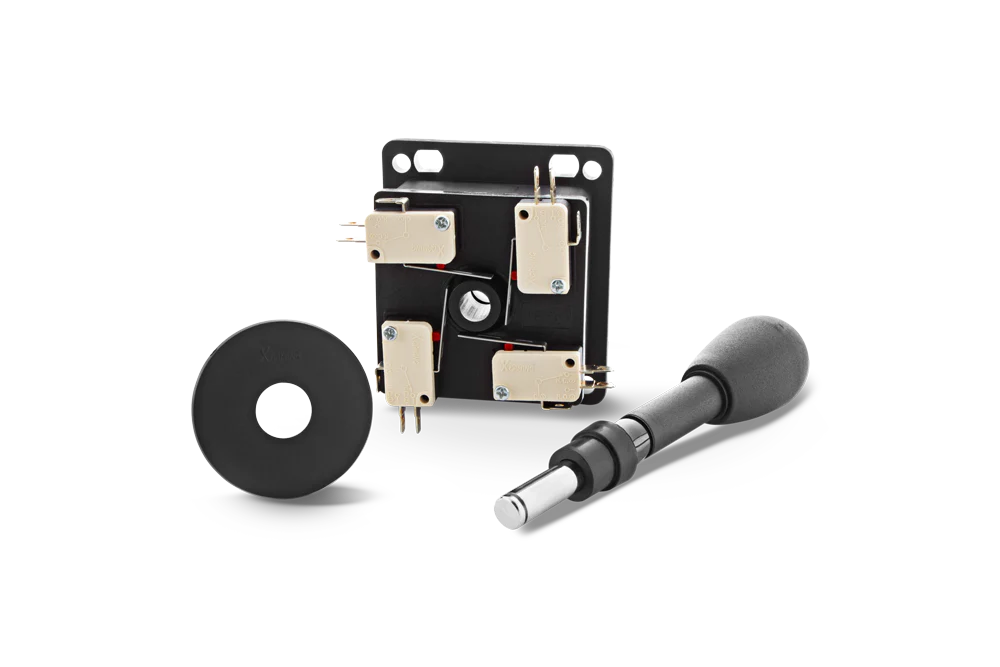
Vintage arcade machines are more than gaming devices — they are cultural artifacts. Cabinets from the 1980s and 1990s carry history in every joystick, CRT screen and circuit board. As arcades disappeared from many cities, original parts became scarce, driving a global collector market. From my experience working with restorers and collectors, finding the right component is often harder than fixing the machine itself. The challenge is not only availability, but authenticity.
This becomes especially relevant when enthusiasts research niche markets, compare restoration strategies and even relax between projects when they play at Win Spirit, where classic inspiration meets modern digital entertainment. Serious collectors know that rushing a purchase can ruin a restoration. Reproduction parts may look convincing, but subtle differences in materials, soldering or labeling often reveal their origin. I’ve seen machines lose significant value simply because a non-original joystick or power supply was installed. That’s why experienced restorers approach sourcing like archaeology: slow, careful and evidence-based. The same discipline used in competitive gaming or strategic platforms applies here — verify before committing. Rare parts often come from dismantled cabinets, old operator warehouses or private collections, and each source requires a different verification approach. Understanding how to evaluate these parts protects both the machine and the investment behind it.
Best Places to Source Rare Arcade Parts
Finding authentic components requires patience and networking. The most reliable sources tend to be specialized rather than mainstream.
Trusted sourcing options
- dedicated arcade collector forums and communities
- former arcade operator storage sales
- specialized retro-gaming expos and swap meets
From my perspective, community-based sources outperform anonymous marketplaces because reputation matters.
How to Verify Authenticity Before Buying
Verification is where many beginners fail. Authentic parts usually carry subtle markers that replicas miss.
Key checks collectors rely on
- manufacturer stamps, serial numbers or date codes
- aging patterns consistent with original materials
- matching part numbers across schematics and manuals
I always recommend cross-checking with at least two independent references before purchasing.
Original vs Reproduction Arcade Parts
| Feature | Original Arcade Parts | Reproduction Parts |
| Manufacturing Date | Matches cabinet era | Modern production |
| Materials | Period-correct plastics and metals | Often lighter or visually cleaner |
| Value Impact | Preserves or increases cabinet value | Can reduce collector value |
| Reliability | Proven longevity | Varies by manufacturer |
| Collector Acceptance | Highly preferred | Accepted only when originals are unavailable |
This comparison helps decide when originality is essential and when compromise is acceptable.
Red Flags to Watch Out For
Not every seller is dishonest, but mistakes happen. Be cautious if parts appear “too perfect” or lack any historical markings. I’ve also seen sellers mix original and reproduction components in a single listing. Always request detailed photos and, if possible, provenance.
Documentation Is Your Best Ally
Original manuals, service guides and operator notes are invaluable. They confirm part compatibility and help spot inconsistencies. In my own restorations, documentation saved me from expensive errors more than once.

Future of Arcade Restoration
As prices rise, demand for high-quality reproductions will grow, but so will authentication tools. Expect better databases, shared serial registries and community-led verification projects. These developments will protect the hobby and keep history alive.
Final Thoughts
Restoring arcade machines is a blend of passion, patience and precision. Finding rare parts is only half the journey — verifying authenticity protects the soul of the cabinet. Collectors who slow down, learn the details and trust experienced communities preserve more than hardware; they preserve gaming history itself.




 Your total news and information resource for all things Science, Technology, Engineering / Mathematics, Art, and Medicine / Health.
Leave a Comment