

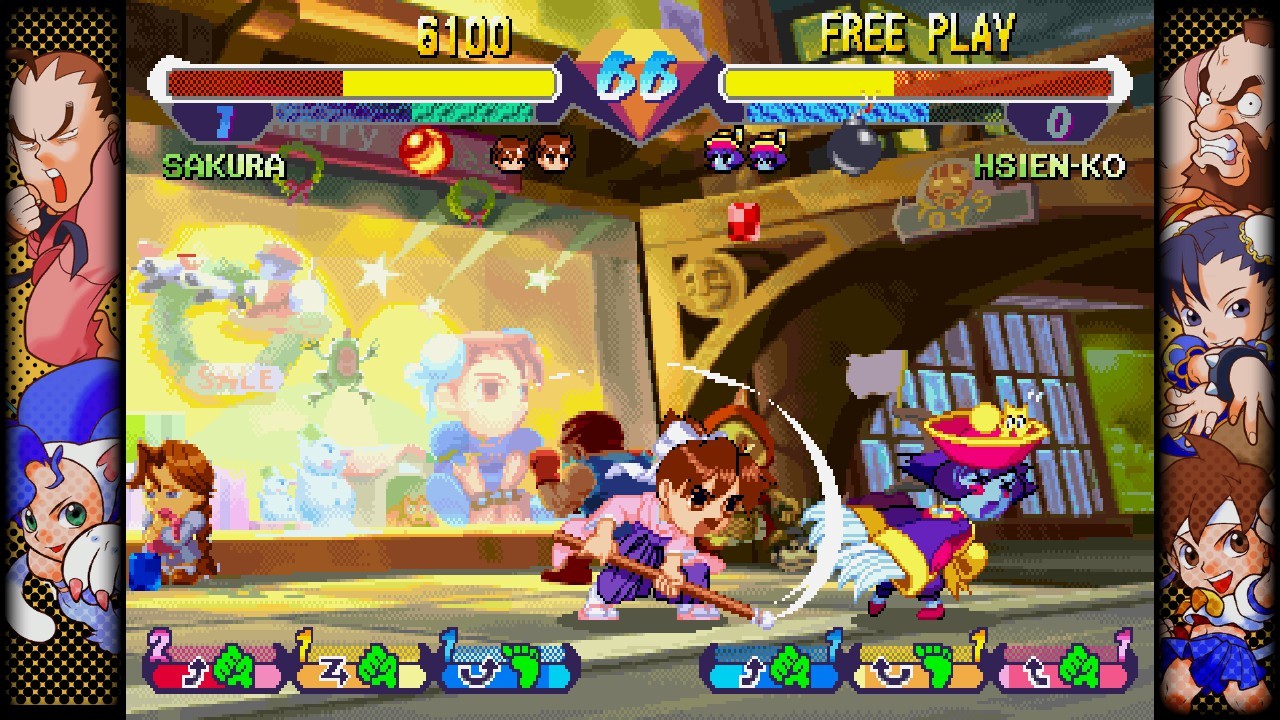
There’s a specific sound that is largely extinct in the modern world, but it remains instantly evocative for anyone over the age of thirty-five. It isn’t the startup chime of a console or the whir of a disc drive. It is the metallic, satisfying clunk-slide of a coin dropping through the mechanism of an arcade cabinet, followed immediately by that electric, dopamine-triggering sound effect: CREDIT 01.
For a generation of gamers, this was the ritual. It was the entry fee to the church of 8-bit violence. But more than that, it was a contract. That quarter represented something tangible. It was your lunch money. It was your allowance. It was a finite resource that dictated the stakes of the game you were about to play.
As we look at the landscape of gaming today – dominated by save states, checkpoints, and the ability to “rewind” mistakes on retro mini-consoles – it’s worth asking: what did we lose when we stopped paying for our lives one coin at a time?
The Economics of Anxiety
To understand the design philosophy of the Golden Age of Arcades, you have to follow the money. Literally.
The arcade operators of the 1980s and 90s weren’t in the business of storytelling. They were in the business of turnover. A cabinet that allowed a player to survive for forty-five minutes on a single coin was a failed product. It was taking up floor space that could be used by a more lethal machine.
This economic reality birthed a specific kind of difficulty curve. Games like Ghosts ‘n Goblins or Robotron: 2084 weren’t just hard because the designers were sadistic (though that’s debatable); they were hard because they had to be profitable. The difficulty was an algorithmic function of the average playtime desired by the operator.
This created a gaming environment that felt remarkably similar to gambling. Walking into a dimly lit arcade in 1988 wasn’t all that different from walking into a casino in Atlantic City or Las Vegas. You were surrounded by flashing lights and hypnotic sounds, all designed to disorient you and loosen your grip on your currency. In fact, many modern casino games have taken their cues from the arcade games of old, with casino networks looking to capitalise on this sense of nostalgia that still persists for so many of us. It works, too – you only need to look at the homepage of any online casino site to see the 8-bit influence staring back at you.
In this metaphor, Street Fighter II was our poker table – a game of skill where you could bully the person next to you if you knew the odds. But games like Dragon’s Lair? They were the slot machines. They were beautiful, dazzling, and statistically rigged to ensure the house always won. You fed them money not because you thought you could beat them, but because you wanted to see the spectacle for just a few seconds longer.
The “Attract Mode” as a Siren Song
The “Attract Mode” – that loop of gameplay that ran when the machine was idle – was the original marketing pitch. It promised power. It showed you the later levels. It showed you the fully powered-up ship in R-Type destroying a screen full of enemies.
But it was a lie. Or at least, a heavily edited truth.
When you actually dropped your token and hit “Start,” you were stripped of that power. You were weak. You were slow. And the only way to get back to that promised land of the Attract Mode was to invest.
This “pay-to-continue” mechanic fundamentally changed how we played. It forced a level of focus that is rare today. When you were on your last life in Final Fight, and you had no more coins in your pocket, the adrenaline spike was real. Your palms sweated. Your heart rate elevated. You weren’t just playing for a high score; you were playing for survival. The “Game Over” screen wasn’t just a text prompt; it was a physical ejection from the experience.
The Console Shift: From Coins to Time
When the industry shifted to the home console market with the NES, the Genesis, and the SNES, the economy changed. Nintendo wasn’t charging you per life; they were charging you $50 upfront for the cartridge.
Suddenly, the “Coin Muncher” design philosophy didn’t make sense. If a player bought a game and beat it in twenty minutes, they would feel ripped off. The currency shifted from coins to time.
Developers had to figure out how to extend the value of a purchase. This gave us the era of the “Nintendo Hard” platformers – games like Ninja Gaiden or Castlevania that were brutally difficult not to extract money, but to prevent you from finishing them in a weekend rental period. It also birthed the sprawling RPGs like Final Fantasy, where value was measured in hours played rather than high scores achieved.
But something was lost in that transition. The “Continue” became a given. In the arcade, a continue was a financial decision. At home, it was just a button press. The stakes evaporated.
The Modern Resurrection: The New Arcade
Fast forward to the present day, and strangely, the arcade model has returned – it just doesn’t look like a wooden cabinet anymore.
The mobile gaming market and the rise of “Free to Play” (F2P) mechanics have resurrected the Coin Muncher. But instead of “Insert Coin to Continue,” it’s “Watch Ad to Revive” or “Pay £0.99 for Gems.”
We have come full circle. The modern “Gacha” game or loot box mechanic triggers the exact same psychological levers that the old Double Dragon cabinet did. It dangles the carrot of progression just out of reach and asks you to pay to bridge the gap.
The Preservationist’s Dilemma
For those of us who have these old memories, the preservation of these games is a holy mission. We build MAME cabinets; we collect PCBs; we buy the Arcade Archives releases on Switch and PlayStation.
But there is an inherent paradox in playing an arcade game on “Free Play” mode.
When you have infinite credits at your disposal, the game changes. Metal Slug is a masterpiece of pixel art and animation, but if you can just tap a button to respawn 50 times in a row, it becomes a mindless slog. You can “credit feed” your way to the ending without ever learning the patterns or mastering the mechanics.
It raises a philosophical question: Can you arguably say you have beaten an arcade game if you used twenty pounds’ worth of virtual credits to do it? Or does the true victory only count if you do it on a “One Credit Clear” (1CC)?
The Ghost in the Machine

The legacy of the coin remains burned into the DNA of game design. Every time you feel that spike of tension during a boss fight in Elden Ring, you’re feeling the echo of the arcade. Every time you debate whether to use a rare potion or save it “just in case,” you’re managing your resources like a kid with one token left.
The machines may have moved from the mall to the museum, but the psychology of the “Insert Coin” screen is eternal. We’re just paying in different ways now.




 Your total news and information resource for all things Science, Technology, Engineering / Mathematics, Art, and Medicine / Health.
Leave a Comment