

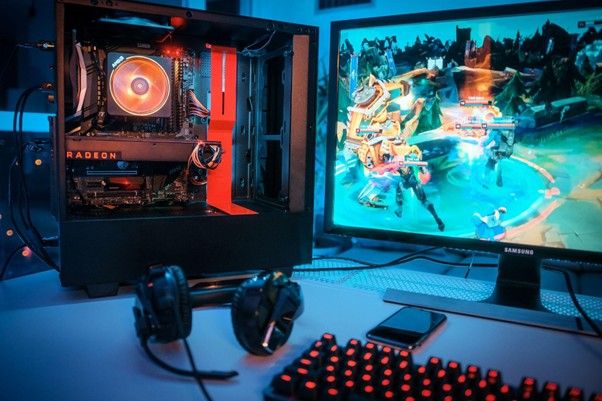
The link between videogames and competitiveness dates back to the late 1970s and early 1980s, when the first arcade cabinets appeared in malls and amusement halls. High-score tables in games such as Pac-Man and Galaga sparked informal rivalries among players who returned week after week to defend their ranks. Although those early systems used basic hardware and coin slots rather than online infrastructure, the motive was comparable to that of today’s esports communities and competitive gaming platforms.
Over the last decade, that competitive drive has extended beyond traditional leaderboards. Online services today combine gaming culture, wagering mechanics, digital goods, and social rivalry. By 2026, the overlap between gaming communities, esports spectatorship, and modern crypto-based entertainment will be tough to ignore.
The rise of digital items, competitive odds, and the culture of the butterfly knife
Cosmetic objects in modern professional shooters often have the same collector appeal that rare cartridges or limited-edition arcade boards did. Skins and weapon cosmetics are doing well in Counter-Strike 2, which is why collectors usually investigate the design history and rarity tiers of things like the butterfly knife cs2. As a result, the same groups that discuss esports strategies pay close attention to platforms related to crypto casino environments and bitcoin casino-style entertainment, where digital assets, odds, and competitiveness interact.
This trend did not develop overnight. Competitive games gradually added cosmetic economies that encourage long-term participation. Players who originally valued leaderboard prestige now prefer rarity, animation quality, and trading value. The butterfly knife motion, which spins rapidly in the player’s hand, has become legendary precisely because it combines visual flair with status recognition, a concept familiar to collectors of antique gaming hardware who value aesthetic uniqueness.
Modern game rooms: social communities, fast transactions, and arcade-style excitement
Although newer platforms use cloud infrastructure rather than actual cabinets, the setting commonly matches the social energy of a crowded arcade floor. During live sessions, players communicate, compare strategies, and respond to game results in real time. Despite the technological differences, the experience has the same community feel that many arcade fans recall from competitive gatherings.
Online entertainment environments today support a diverse range of games, which is why experienced gamers frequently value both traditional casino classics and novel formats. Plinko boards, crash multipliers, live poker tables, and roulette broadcasts coexist with esports-specific betting and specialized sports markets. As a result, individuals who prefer competitive gaming may effortlessly switch between viewing tournaments, assessing chances, and playing in interactive game types.

Likewise, current platforms prioritize technical efficiency since gamers anticipate fast outcomes and responsive interfaces. Withdrawals are generally completed in minutes rather than days; therefore, experienced consumers value platforms that retain speedy processing without needless delays. This expectation is similar to the instant pleasure of arcade machines, where each coin produced immediate feedback, despite the fact that the size of digital transactions has grown enormously.
Community participation is becoming more and more important. Chat-based events, regular promotions, and loyalty rewards encourage players to stay involved in the ecosystem while retaining a community feel. As a result, despite the fact that participants come from all over the world, participation often feels more like a group gaming session than isolated online play.




 Your total news and information resource for all things Science, Technology, Engineering / Mathematics, Art, and Medicine / Health.
Leave a Comment