

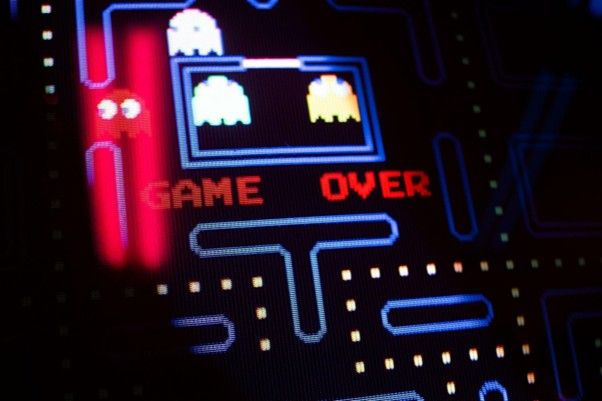
Retro game culture has always included more than nostalgia. Many aficionados, who grew up with arcade cabinets, early home computers, and cartridge-based consoles, are fascinated by how game design changes while remaining true to its beginnings. In 2026, that evolution may be seen not only in modern console titles or independent pixel-art projects, but also in the mechanics of internet gambling platforms and cryptocurrency-powered casinos.
Today’s developers use arcade-era pacing, reward structures, and audiovisual style cues. Despite major improvements in hardware and connection, the essential loop that makes classics addictive—quick rounds, growing stakes, and visually distinctive themes—remains highly influential. As a result, even modern online casino experiences sometimes re-use design elements that long-time players are familiar with from decades of electronic gaming.
Arcade-Era Game Design and Its Influence on Today’s Crypto Casino Slot Games
Although old arcade games used coin slots rather than blockchain technology, their essential concepts work remarkably well in modern crypto casino contexts. Fast sessions, great repeat value, and visually striking themes recall the design philosophy of arcade classics from the late 1980s and early 1990s. As a result, several online platforms integrate the traditional gaming loop with blockchain-based infrastructure.
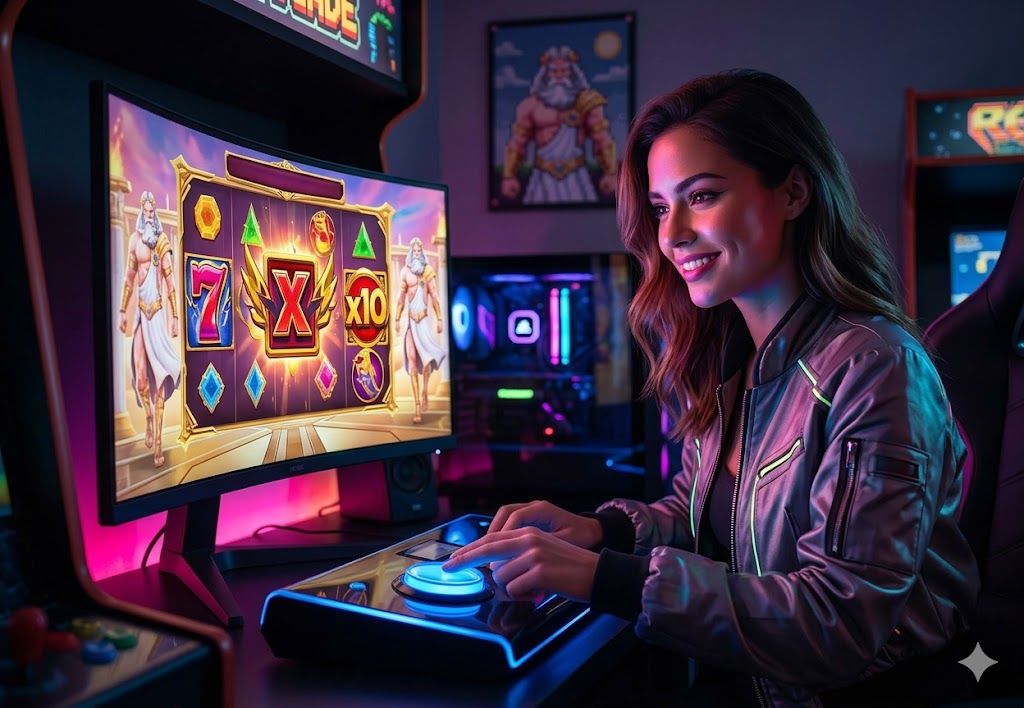
The dramatic presentation style that was used to be common in arcade boss battles and mythological fantasy games may be borrowed by themed slots as bitcoin gambling and online crypto casino platforms grow in popularity. For this reason, titles such as the Gates of Olympus slot have become popular among players who enjoy spectacle-driven gameplay while exploring modern crypto casino environments.
While the topic itself refers to ancient mythology rather than legendary arcade games, the design logic is familiar to experienced gamers. Bright visual elements, growing multipliers, and anticipation between spins evoke the same tension that arcade designers sought while balancing scoring systems and bonus rounds. Despite the technology leap toward blockchain-based platforms, anyone who has used CRT monitors or coin-operated devices would recognize the gameplay rhythm.
However, new crypto systems introduce layers that were not possible in the arcade era. Cryptographic hash verification enables players to certify game fairness, which is why provably fair systems have become a hot topic in 2026. Similarly, quick cryptocurrency withdrawals, which are sometimes processed within minutes, generate a sense of immediacy that previous internet platforms struggled to provide.
The Social Arcade Spirit Reappears In Web3 Gaming Communities
Arcades were never just about the machines. They were gathering areas where gamers compared scores, observed others attempting difficult levels, and formed informal groups based on common interests. Surprisingly, that same attitude reappears in Web3 game contexts.
Modern cryptocurrency gaming platforms are increasingly including live chat rooms and community mechanisms that mimic the social environment of traditional arcades. While older arcade cabinets attracted viewers with crowded rooms and high-score boards, modern platforms provide real-time chat, shared gameplay moments, and interactive reward systems.
This community feature is most obvious during live dealer sessions or multiplayer mini-games, in which users communicate while rounds are being played. Features like community-based reward events and random crypto chat drops encourage engagement in ways that replicate the spontaneous energy of arcade crowds reacting to a high score attempt.


 Your total news and information resource for all things Science, Technology, Engineering / Mathematics, Art, and Medicine / Health.
Leave a Comment